Industry Insights
How To Install a Peristaltic Hose: A Step-By-Step Guide
Published on
16 November 2026
A practical five-step process for replacing the hose in your peristaltic pump, from ordering to final lubrication
The hose is the primary wear component in a peristaltic pump, and correct installation is essential for maintaining performance, reliability and hose lifespan.
This guide outlines the general procedure for hose replacement, while recognising that individual pump models and manufacturers may require specific steps. Always refer to the pump’s official manual for brand-specific instructions.
Before You Begin
Make sure hose replacement is carried out by a suitably trained person.
We recommend keeping spare hoses and essential parts in stock to minimise downtime caused by unexpected hose failure.
Step 1: Gather Required Information for Replacement
When ordering a new hose from Enviroflex, having the right details to hand means we can supply the correct hose first time.
Be prepared with the following:
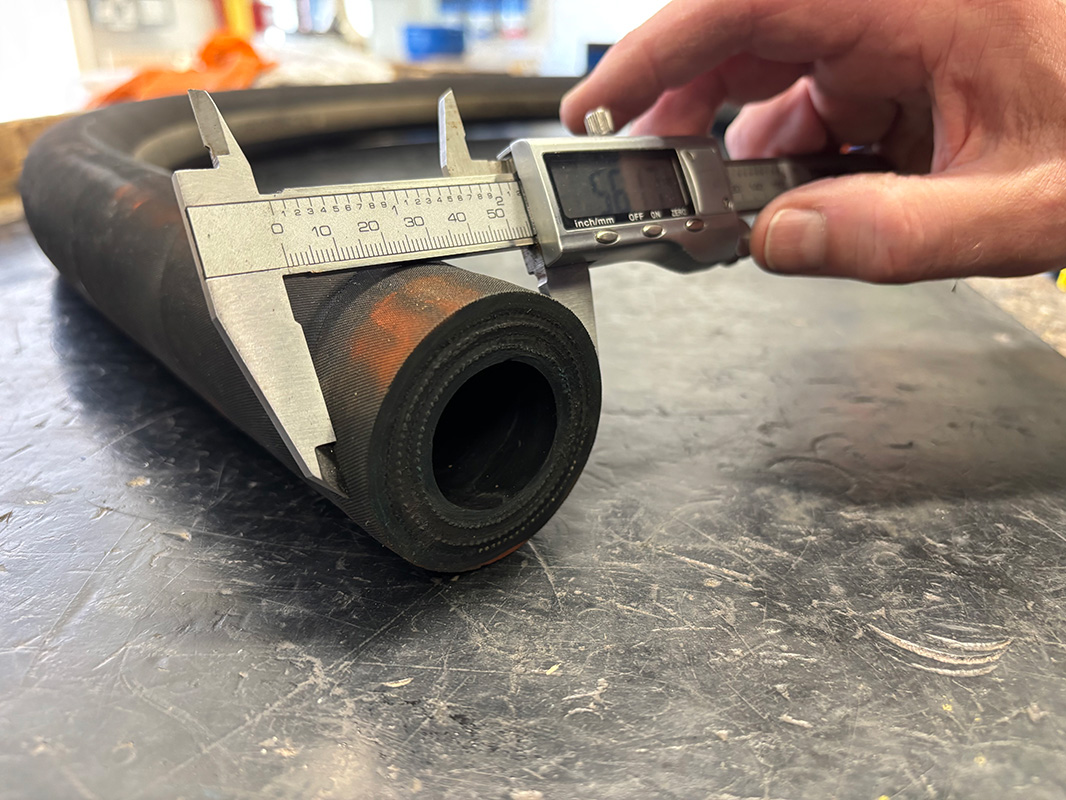
- Hose part number, or pump model and hose size (length, internal and external diameter)
- Required hose material or chemical compatibility
- Intended use (e.g. industrial or hygienic)
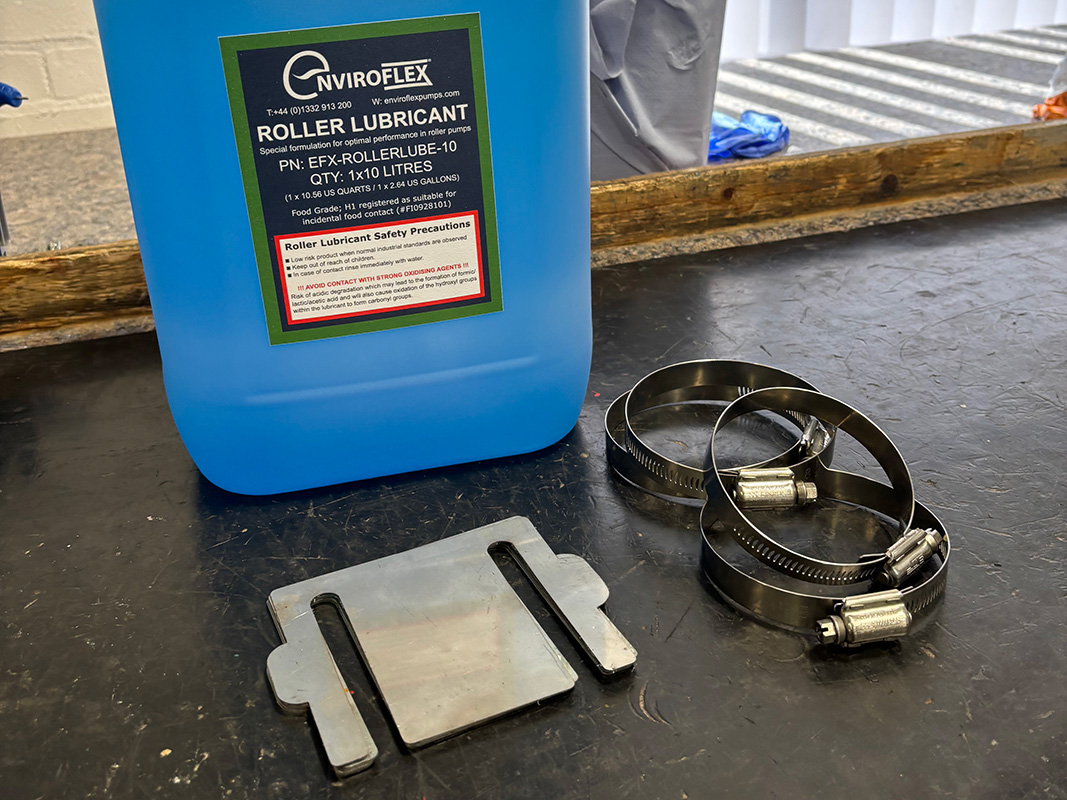
- Any additional components required (e.g. clips, lubricant, rollers, shoes)
Step 2: Inspect and Clean Internal Components
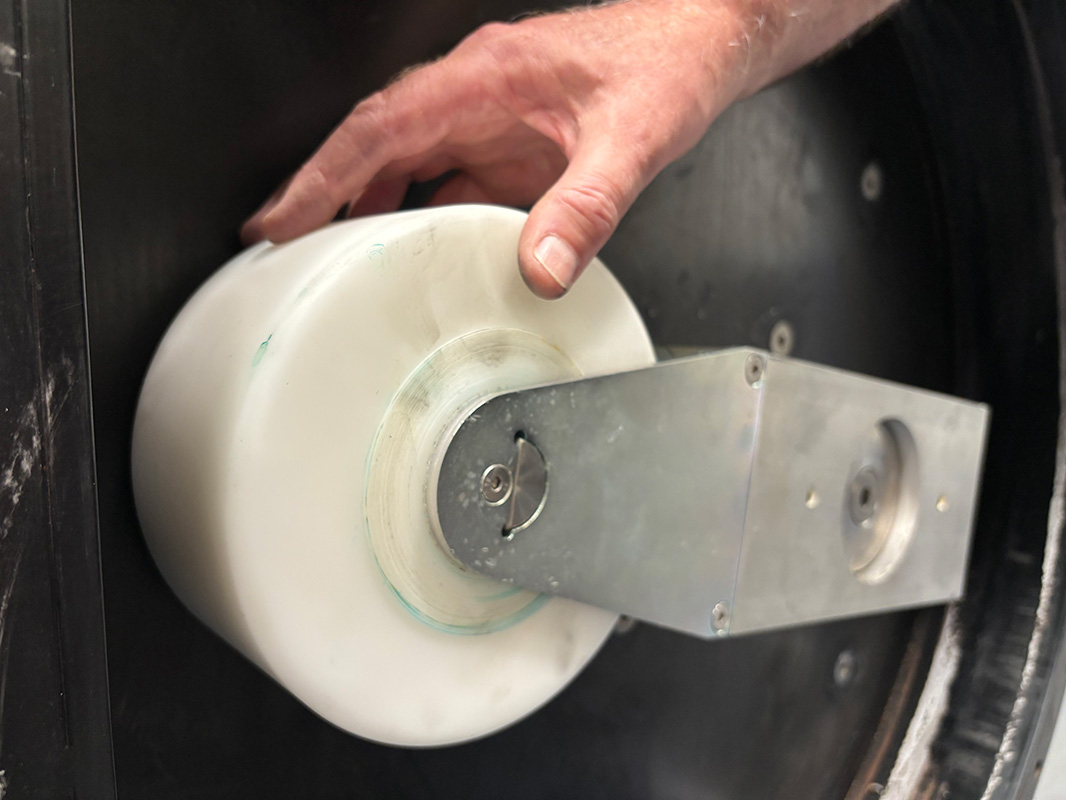
A hose change is a good opportunity to inspect the pump’s internal components for wear. Thoroughly clean all internal surfaces, then strip and examine rollers, shoes and bearings for signs of damage or deterioration.
Replacing these parts, or recording their condition, supports better long-term pump performance.
We also recommend replacing high-torque hose clips with every hose change.
Step 3: Install the New Hose
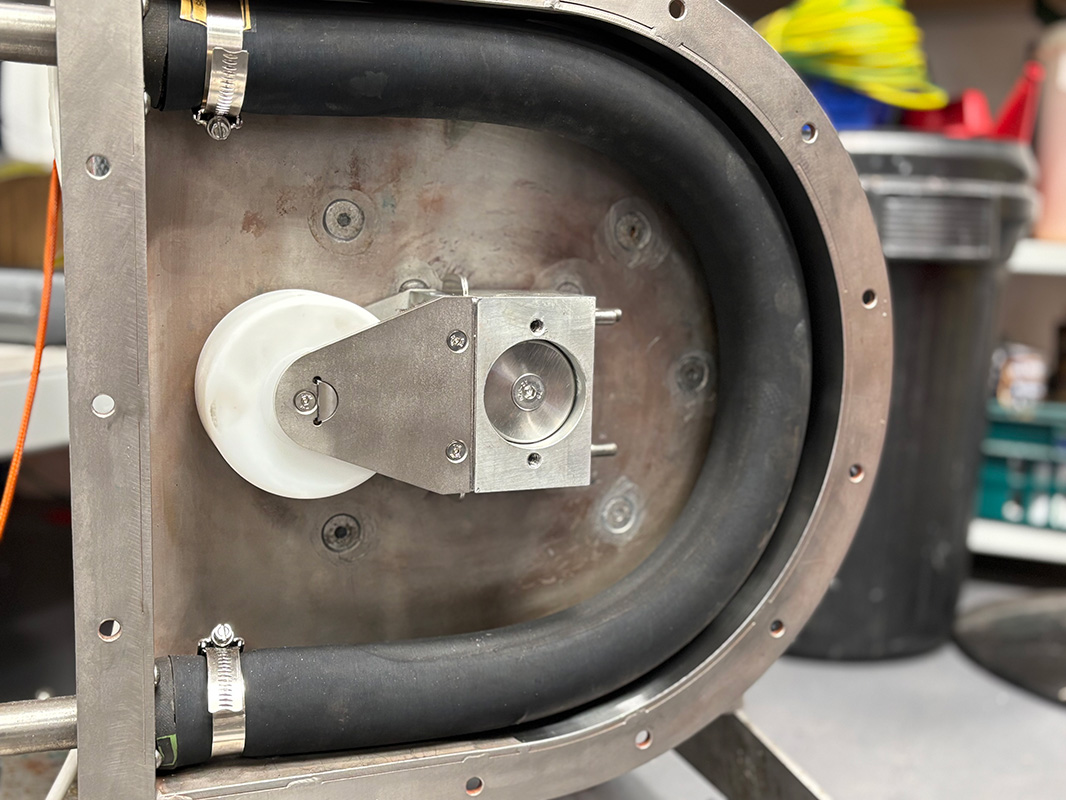
Fit the new hose using the same shimming setup as the hose being replaced, unless there is reason to suspect the previous occlusion setting was incorrect, or operating conditions have changed.
Verifying Occlusion From the Hose Dimensions
If you are unsure, occlusion should be verified based on the hose dimensions:
- Measure the outside and inside diameter of the hose
- Adjust shimming to ensure the hose is fully occluded
- For low-pressure applications, aim for slight over-compression (up to 1.5 mm)
- For high-pressure applications, further compression may be required to fully block fluid passage
For pumps with two rollers or shoes, make sure occlusion is identical on both. Always consult the pump manual for manufacturer-specific instructions.
Step 4: Confirm Occlusion and Performance
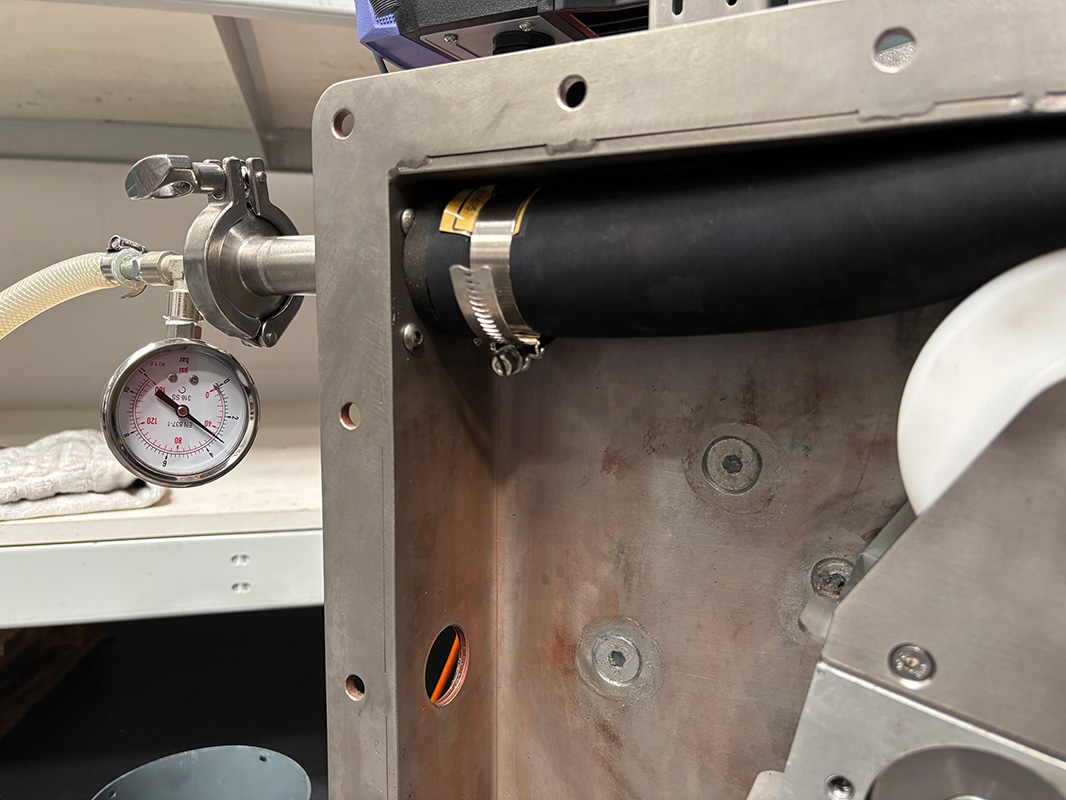
Improper occlusion, whether excessive or insufficient, can significantly reduce hose life. To confirm the compression is right and the pump is performing as it should:
- Test the pump using a plumber’s pressure tester connected to the outlet
- Observe the pump’s ability to withstand pressure
- Adjust occlusion as needed to optimise flow and minimise wear
This step helps verify that the hose is correctly installed and that the pump is operating within expected parameters.
Step 5: Replace Lubricant
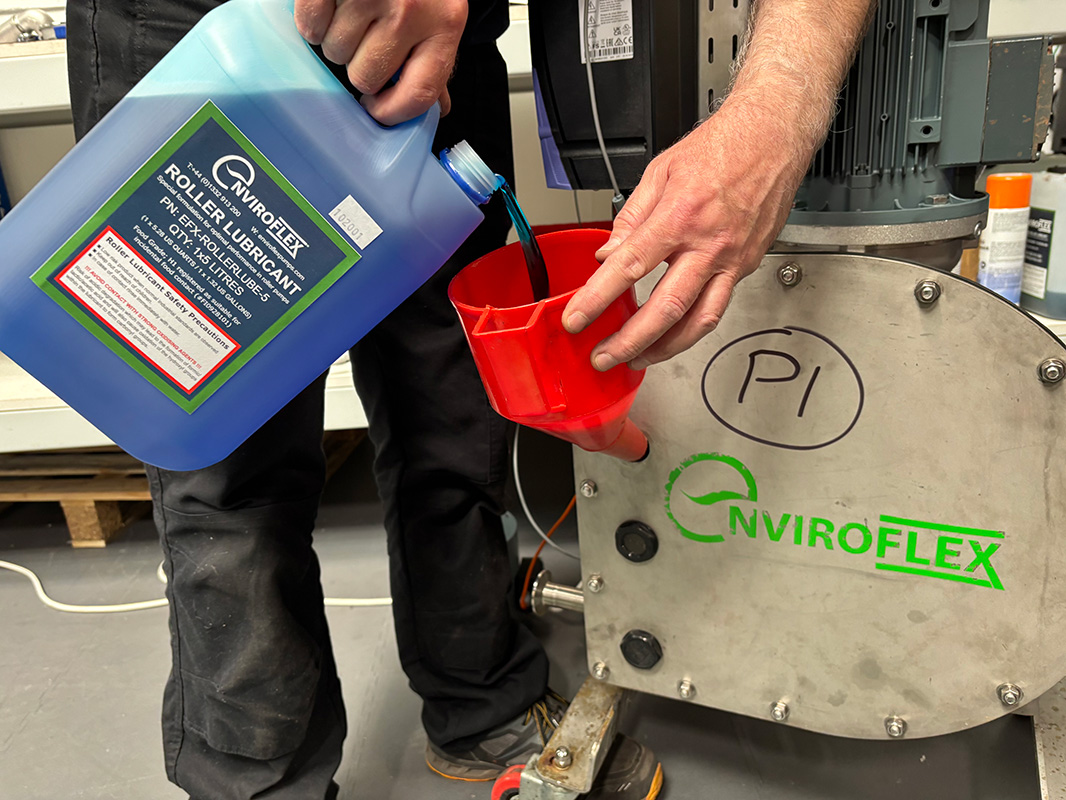
Replace the hose lubricant with a suitable product. Enviroflex offers two standard lubricants, specifically formulated for either roller or shoe pumps.
Our lubricants adhere effectively to the hose surface, disperse heat efficiently and remain stable at low ambient temperatures, making them suitable for both industrial and hygienic environments.
Final Thoughts
Correct hose occlusion is critical to achieving the best performance and longevity from your peristaltic pump.
Under- or over-compression can lead to reduced flow, increased energy consumption and premature hose failure.
Following a methodical installation process, and using high-quality, compatible components, helps keep your system efficient and reliable.
Questions and Answers
Some questions are answered here but if you have more specific questions please don’t hesitate to get in touch
Contact an ExpertWhat Information Do I Need to Order a Replacement Peristaltic Hose?
Have the hose part number ready, or the pump model and hose size (length, internal and external diameter). We will also need the required hose material or chemical compatibility, the intended use, such as industrial or hygienic, and any additional components you need, such as clips, lubricant, rollers or shoes.
What Is Hose Occlusion?
Occlusion is how much the rollers or shoes compress the hose as they pass over it. The hose needs to be fully closed to block fluid passage, but too much or too little compression can significantly reduce hose life.
How Much Should a Peristaltic Hose Be Compressed?
For low-pressure applications, aim for slight over-compression of up to 1.5 mm. High-pressure applications may need further compression to fully block fluid passage. Always check the pump manual for manufacturer-specific settings.
Should I Replace the Hose Clips When Changing the Hose?
Yes. We recommend replacing high-torque hose clips with every hose change.
How Do I Check the Hose Is Installed Correctly?
Connect a plumber’s pressure tester to the pump outlet and observe the pump’s ability to withstand pressure. Adjust occlusion as needed to optimise flow and minimise wear.
Do I Need to Replace the Lubricant When Fitting a New Hose?
Yes, replace the hose lubricant with a suitable product as part of every hose change. Enviroflex offers two standard lubricants, one formulated for roller pumps and one for shoe pumps.
Need a Replacement Hose or Spares?
Our team can help you find the right hose, lubricant and parts for your peristaltic pump, and talk you through installation if you need a hand.
Contact Enviroflex